

What Happens When Your Tooth Needs to be Extracted?
 Having a severely infected or damaged tooth doesn’t always mean you need a root canal. In fact, in some cases, you may need to have the affected tooth removed. Endodontic procedures, like root canal therapy, help save teeth — but this isn’t always possible.
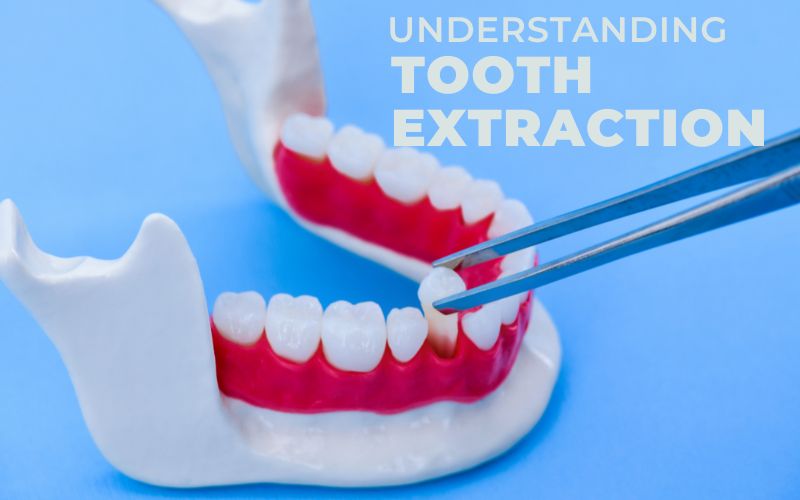
Tooth extractions involve the removal of teeth that can’t be saved through other treatments. This procedure helps prevent serious complications, like widespread infections, but it also means you lose your tooth permanently. Here’s a closer look at what happens if you need this kind of treatment.
When a Tooth Can’t Be Saved
It’s never easy to lose a tooth. But it’s sometimes necessary for your greater well-being. When a tooth is too damaged or infected, it can lead to other problems that endanger your health.
Limits of Root Canals
These procedures offer effective ways to treat tooth infections that are down deep near the root, removing the infected pulp and sealing the tooth for protection. They do have limitations, though, such as when a tooth has extreme damage. In these situations, our endodontist may recommend an extraction.
Common Reasons for Tooth Extractions
Why are tooth removals done instead of root canals sometimes? You might need one for any of the following reasons:
- Serious tooth decay
- Severe fractures
- Advanced gum disease
- Serious or excess damage from previous procedures that weren’t successful
In these cases, a root canal isn’t the best option for treatment. It’s unlikely to be effective — and it might not be the safest option when a tooth has extreme damage or decay already.
Next Steps After the Extraction Decision
Once you’ve decided to have a tooth removed based on our endodontist’s recommendation, what happens next? Let’s go through what to expect before you undergo the actual procedure.
Collaboration With Your Dentist
Our endodontist reaches out to your dentist to see if they prefer handling the extraction at their office. Sometimes, we may refer you to an oral surgeon, depending on how complex the extraction is and other factors.
When You Might Need an Oral Surgeon
These specialists may be needed in certain cases involving infected or damaged teeth. Specific issues with a tooth that make extraction more complicated might require an oral surgeon’s expertise. Or you may need one if your tooth is in a location that’s more difficult to reach for removal.
Planning for the Future
After having your tooth removed, you have some options to consider, such as replacing it. If you choose replacement, you can discuss those options with your dentist. Being prepared for this ahead of time helps you with long-term planning.
Tooth Replacement Options
Some patients choose to have a tooth replaced, especially if it affects their smile or interferes with their ability to chew. Your dentist may go over potential replacements, such as:
- Dental implant
- Dental bridge
- Partial dentures (for a few or more teeth that have to be pulled)
Why Do You Need Long-Term Planning?
Deciding whether or not to replace a tooth and how to do so beforehand helps make this entire experience easier for you. Note that having a missing tooth may cause problems other than affecting appearance and chewing, such as causing teeth to shift or resulting in bone loss in your jaw.
What You Can Expect From a Tooth Extraction
Some extractions are simple and straightforward. Others are more complex and invasive. What to expect before, during, and after really depends on whether you need a simple or more complicated removal.
Before the Procedure
In most cases, patients receive local anesthesia before an extraction to make the area numb. This means you won’t feel anything during the procedure, but you’ll be awake. For a more complex surgery that an oral surgeon handles, you may need sedation or general anesthesia.
During the Process
Removing a tooth generally involves using special instruments to loosen it in the socket. Your dentist or surgeon can then take out the tooth. Some procedures involve making incisions in the gums to remove the tooth, a more complicated process.
After Surgery
Your jaw and gums will need time to heal from having a tooth removed. You might have some side effects temporarily, such as:
- Swelling
- Pain
- Bleeding
- Bruising
These often last just a couple of days or less before subsiding. You may be able to go back to your usual activities within a few days of your surgery.
Schedule a Consultation With Our Endodontist Today!
Do you have signs of a serious tooth infection or damage? At Largo Endodontics, Dr. Ernest Rillman, our endodontist, can evaluate the affected tooth and determine the best course of treatment, whether you need root canal therapy or a tooth extraction.
Comments are closed.