

Dental MRIs Are Coming: What That Means for Your Dental Care
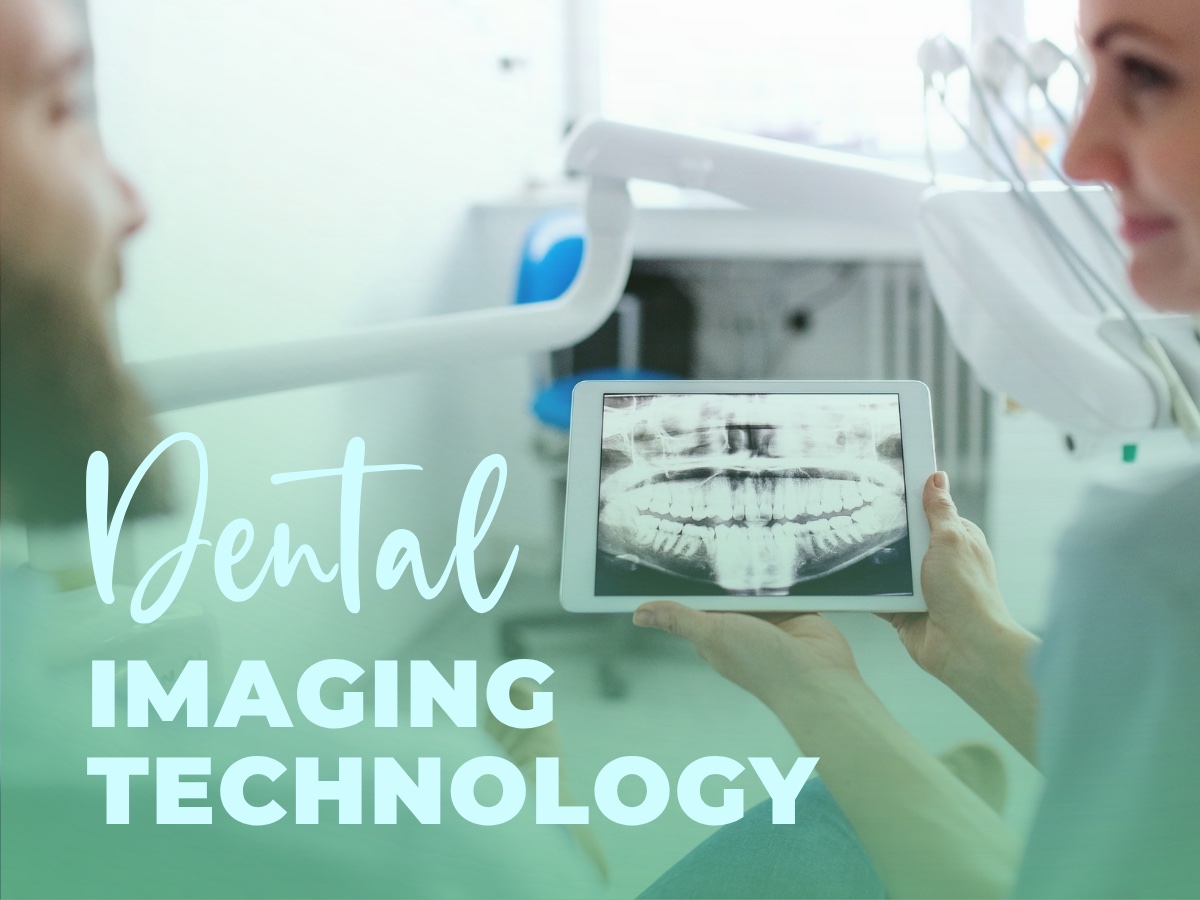
Dental imaging has made many advancements over the years. In fact, today’s dental professionals have access to tools that make it easier to diagnose problems early and plan treatment with greater precision. One of the most important developments has been Cone Beam CT technology, which provides detailed 3D images of teeth and surrounding structures.
But another innovation is beginning to enter the field: dental MRI scans. While still relatively new (and not yet widely available), this technology has the potential to expand what clinicians can see — especially when it comes to soft tissue and nerves or inflammation. As MRI technology becomes more accessible for dental use, it may help improve diagnoses and treatment planning for a range of conditions.
Dental MRI vs. Traditional Imaging
While X-rays and CT scans use ionizing radiation, MRI technology uses both radio waves and strong magnets to generate incredibly detailed images. Dental MRIs offer several potential advantages, including:
- Radiation-free imaging
- Detailed views of soft tissues, nerves, dental pulp
- Better visualization of inflammation and infection
- Improved assessment of temporomandibular joint (TMJ) disorders
- Potential for earlier detection of certain dental conditions
- Comfortable scanning systems designed specifically for dental patients
These capabilities allow clinicians to gather information that may not always be visible on conventional imaging alone.
Seeing More Than Just Teeth
Most dental imaging technologies excel at showing hard structures, such as teeth and bone. Dental MRIs add another layer of information — capturing soft tissues in greater detail. This can be especially useful when evaluating inflammation inside or around a tooth. In some cases, changes in the dental pulp or surrounding tissues may even be detected before they become visible on other types of scans.
For an endodontist, this additional information could help support more accurate diagnoses when patients are experiencing unexplained pain and sensitivity or lingering symptoms. The ability to visualize both hard and soft tissues in a single 3D image may provide a more complete picture of what’s happening beneath the surface.
How Dental MRIs Could Improve Treatment Planning
One of the most promising applications of dental MRI technology is identifying inflammation around the roots of teeth. Researchers are exploring how MRI scans may help detect these kinds of issues earlier and provide more insight into the extent of disease.
This could end up being helpful when determining whether a root canal is necessary — or when evaluating the success of previous treatment. Dental MRIs may also help with assessing these conditions:
- TMJ disorders
- Early-stage periodontal disease
- Inflammation around dental implants
- Nerve-related conditions
- Structural changes within teeth
As research continues, MRI technology may become an important complement to existing diagnostic tools.
Are Dental MRIs Safe?
For most patients, MRI scans are considered safe. Since they don’t use radiation, they may be an attractive option for certain individuals, including children and pregnant patients (when appropriate). But patients should always inform their dental provider about any metal restorations, implants, orthodontic appliances, or medical devices before an MRI scan.
Most modern dental implants made from materials such as titanium or zirconia are generally considered MRI-safe. Metal can sometimes create image distortions known as artifacts, though, which may affect image quality in certain areas. Patients with braces may also experience greater imaging challenges, since orthodontic hardware can interfere with the magnetic field.
What Are the Current Limitations?
While the future looks promising, dental MRI technology is still in the early stages of adoption. Several factors currently limit widespread use, such as:
- Higher costs compared to many traditional imaging methods
- Limited availability of dental MRI systems
- Longer scan times in some situations
- Image distortion due to certain metal restorations
- Ongoing research to establish best practices for routine dental applications
For now, Cone Beam CT remains the primary advanced imaging tool used in many dental and endodontic practices. But dental MRI technology continues to evolve rapidly — and experts believe it could play a larger role in the years ahead.
Looking Ahead at the Future of Dental Imaging
Dental MRI technology represents an exciting step forward in modern dental technology. Having detailed views of the inner tooth and inflammation without radiation exposure means it offers new possibilities for diagnosing and addressing tooth issues.
While it’s unlikely to replace existing imaging methods overnight, it has the potential to become a valuable addition to the tools clinicians use to evaluate complex dental conditions. As availability increases and research continues, patients may benefit from even more precise and comprehensive dental care.
If you’re experiencing tooth pain and sensitivity or symptoms that may require specialized evaluation, Dr. Ernest Rillman at Largo Endodontics can help. Schedule an appointment with our endodontist to discuss your concerns — and learn about the most advanced diagnostic options available for protecting your oral health.
Comments are closed.