

Are You Sick from a Bad Tooth? All About Abscesses
A bad tooth can cause a lot of pain, but can it actually make you sick? That depends on the cause of bad teeth. Some problems, such as minor tooth decay or a small crack, might cause a bit of discomfort without putting your health at risk overall. Other problems can lead to a much greater risk of illness. When you have a tooth infection that turns into an abscess, this can result in serious risks to your health. Knowing more about this type of bad tooth problem can help you understand why prompt treatment is important.
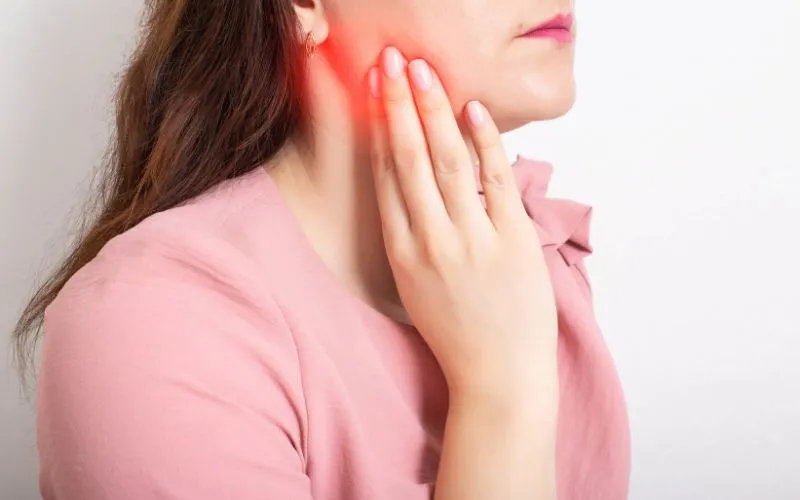
What Is an Abscess?
An abscess is a pus-filled area that develops inside your tooth, usually at the root tip or along the side of the root inside your gums. When bacteria get inside the pulp of your tooth, this causes an infection that can develop into an abscess. You can end up with an abscess if tooth decay goes untreated and turns into an infection. Other causes of abscessed teeth include having dental work done in the past or having tooth injuries.
Your chance of having an abscess is higher if you have certain risk factors, such as not taking good care of your teeth on a regular basis or having a condition that affects your immune system. Having a dry mouth, eating a lot of sugary foods, or being a smoker can also increase your risk of having this type of tooth problem.
Signs and Symptoms of Abscesses
How can you tell if bad teeth are due to an abscess? Many conditions can cause tooth pain, so knowing if you have an abscess can be difficult. Some of the symptoms you might experience when you have a tooth abscess include the following:
- Severe or throbbing tooth pain
- Swollen gums around the infected tooth
- Reddish gums in the affected area
- Pain when biting down or chewing
- Increased sensitivity to cold and hot sensations
- Swelling in neck and jaw lymph nodes
- Fever
In some cases, abscesses can rupture. This helps relieve pressure and pain, but you still need to seek treatment to eliminate the infection. If a bad tooth has an abscess that ruptures or bursts, you’ll often feel fluid in the affected area. This salty fluid typically smells and tastes bad.
Some symptoms of an abscess mean that you need emergency care. In this case, the infection that caused the abscess might be spreading to other parts of your body. If you have any of these symptoms along with a fever, see your dentist immediately or go to the emergency room if your dentist isn’t available:
- Facial or neck swelling
- Trouble breathing
- Trouble swallowing
Can You Get Sick from a Bad Tooth?
Yes, a bad tooth with an abscess can make you ill. The underlying infection can spread to your neck, face, and jaw, making it hard to swallow or breathe. If bacteria spread to other parts of your body, this can lead to a widespread infection. In some cases, the infection causing an abscess can result in a life-threatening condition called sepsis. This complication, which requires emergency care, can damage tissue and organs throughout your body. The risk of having an infection spread is higher if you have any conditions that weaken your immune system.
When to Seek Care for a Tooth Abscess
You should see your dentist or make an appointment with an endodontist if you have any symptoms of an abscessed tooth. This helps ensure that you receive prompt treatment to get the underlying infection under control before it has a chance to spread. Remember to seek emergency care if you’re experiencing any symptoms that might mean the infection has spread to other parts of your body.
When you seek treatment for an abscess, your dentist or endodontist drains it and eliminates the infection. Endodontists might be able to do a root canal to save the infected tooth. If damage is too severe, you might need a tooth extraction.
What Are the Steps You Can Take to Reduce the Chances of Getting an Abscess?
Taking good care of your teeth each day helps prevent tooth decay that can lead to infections and abscesses. Brushing your teeth twice a day using fluoride toothpaste and flossing daily are important parts of practicing good oral hygiene. You should also get a new toothbrush every few months, especially if the bristles start to fray. Other steps to take to lower your risk of getting an abscess include limiting or avoiding foods that are high in sugar and eating a healthy diet, having regular dental cleanings done, and giving up smoking.
If you need help for bad teeth, please contact Largo Endodontics to set up an appointment with Dr. Ernest Rillman, our Board-certified endodontist.
Comments are closed.